
Multifamily Build Types Decoded: Which Tech Stack Fits Wrap, Podium, BTR & High-Rise
Multifamily Build Types Decoded: Which Tech Stack Fits Wrap, Podium, BTR & High-Rise
The multifamily industry uses a vocabulary that is half real estate, half construction: garden-style, donut, wrap, 5-over-1, mid-rise, high-rise, build-to-rent, student housing, active adult. Each label describes a building shape and a construction type — and each one demands a different low-voltage approach.
EIG PRO has wired every one of these build types across Texas and Oklahoma. This guide pairs each multifamily build type with the technology stack that actually works for it.
Jump to a build type: Garden-Style · Wrap · Podium / 5-over-1 · Mid-Rise · High-Rise · Build-to-Rent · Student Housing · Active Adult 55+
Garden-style: distributed everything
Garden-style communities sprawl across 5–15 acres of multiple low-rise buildings. The technology challenge is distance, not height.
- OSP fiber backbone linking buildings to a central head-end IDF.
- Wi-Fi 6E APs in breezeways and common rooms with proper channel planning.
- Weather-rated cameras (Hanwha, Avigilon, Verkada) at parking, mailrooms, and amenity zones.
- Cloud access control for amenity doors, pool gates, and dog-park entries.
Wrap: garage-integrated systems
Wrap apartments wrap 4–5 stories of residential around a 4–6 level concrete parking garage. The technology stack must respect both environments.
- Garage cameras with full-level coverage and IK10 vandal rating.
- License-plate recognition (LPR) at resident gates and visitor logging.
- ButterflyMX or 2N video intercoms at lobby and garage entries.
- Amenity-floor IDFs placed strategically to keep horizontal runs short.
Podium / 5-over-1: coordinate with the concrete
5-over-1 buildings (5 stories of wood frame over 1 story of concrete podium) are the dominant urban infill build type. The defining moment is the concrete pour: every riser sleeve must be in place months before low-voltage rough-in.
- Sleeved riser pathways through the podium for fiber and copper.
- Tenant-isolated networking for the ground-floor retail vs the residential apartments above.
- Lobby video intercom at the street-level entry.
- Acoustic-respectful speaker and intercom placement.
Mid-rise: stack the IDFs
Mid-rise multifamily (5–10 stories) blends podium and high-rise traits. The signature element is IDF closet stacking — riser closets must align floor over floor for clean fiber and copper risers.
- Multi-IDF distribution with single-mode fiber risers.
- Lutron RadioRA 3 or HomeWorks for amenity lighting scenes.
- Code-required emergency comms (elevator phones, area-of-refuge stations).
- Resort-grade amenity AV in clubrooms, theaters, and rooftop decks.
High-rise: redundant everything
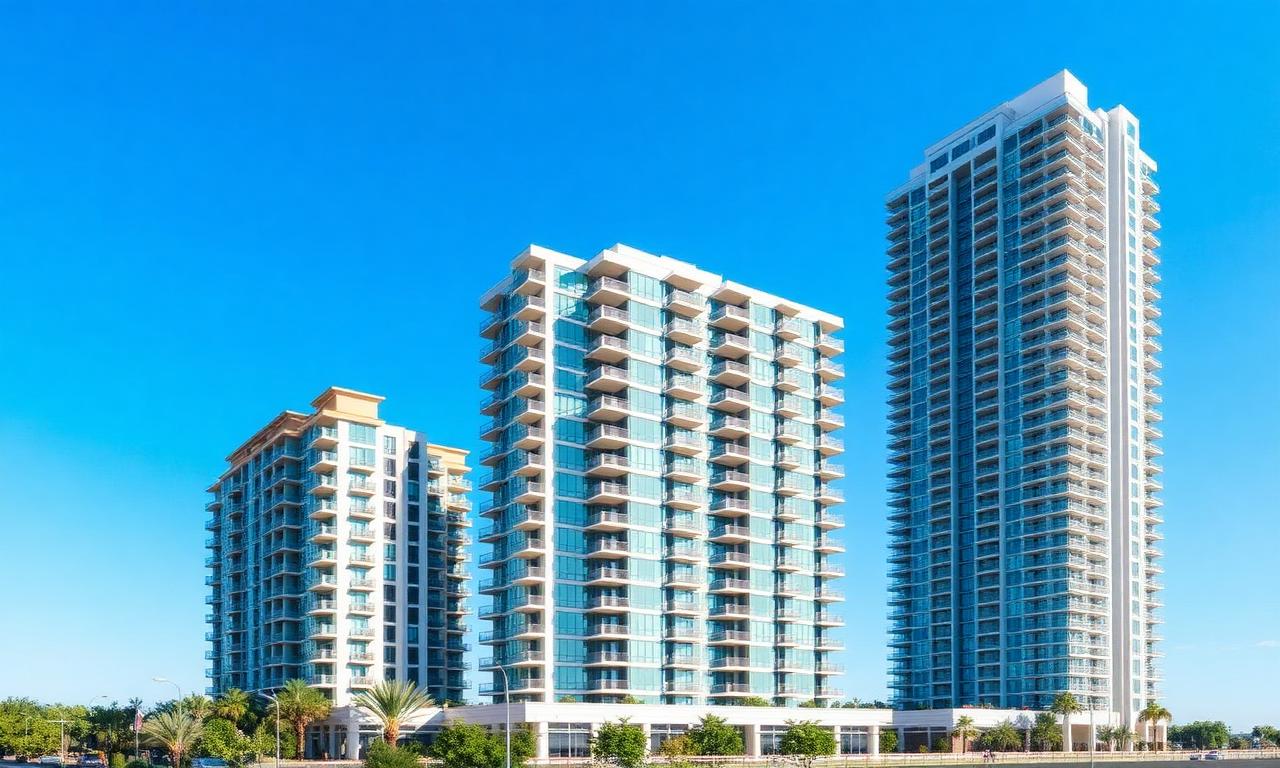
High-rise towers (10+ stories) demand sophisticated low-voltage planning that begins in design development.
- Diverse fiber risers with separate physical paths.
- Floor IDFs every 3–5 floors with HVAC and UPS.
- Lobby command center tied to access control, intercom, and video walls.
- Premium intercom systems (Comelit, 2N IP Verso, ButterflyMX).
- 24/7 concierge operations with package room and visitor management.
Build-to-Rent: per-home smart packages, shared infrastructure
BTR is hybrid: residents experience single-family-home tech (smart locks, doorbells, mesh Wi-Fi), while operators manage shared infrastructure like apartments.
- Fiber-to-the-home (FTTH) from a central clubhouse head-end to every unit.
- Per-home smart packages with Yale or Schlage locks, Ecobee, Ring, eero.
- Cloud-managed lock platforms that rekey instantly between tenants.
- Property-wide cameras at amenity zones and main entries.
Student housing: extreme density
Student communities pack 16+ active devices into every 4-bed unit. The low-voltage stack survives by overprovisioning Wi-Fi and accepting massive annual turnover.
- High-density Wi-Fi 6E at roughly 1 AP per unit.
- Bed-level smart locks (Yale, Schlage, SALTO XS4) for roommate privacy.
- Esports and study-pod AV with reservation integration.
- Bulk credential resets during the 2-week summer turnover window.
Active Adult 55+: accessibility and emergency comms
Active adult communities require code-compliant emergency systems and concierge-grade amenity AV that supports aging in place.
- Pull-cord emergency call stations in bathrooms and bedrooms.
- Hearing-loop systems in chapels, theaters, and dining rooms.
- Concierge desk with visitor logging and package tracking.
- Accessible amenity AV with closed captioning and easy-touch controls.
How EIG PRO matches the stack to the build
Every multifamily project starts with a discovery call where we map the build type, unit count, amenity program, and ISP options. From there we deliver a fixed-price proposal with system-by-system specs and a phased schedule.
If you are planning a multifamily project in Texas or Oklahoma, request a proposal or call (945) 300-0086. We will walk you through the right tech stack for your build type.
Related reading:
Stay Updated
Get the latest insights on smart building technology, security systems, and industry trends delivered to your inbox.
Related services
Explore the services behind this work.
Commercial AV
Conference rooms, digital signage and amenity audio across Texas.
Learn moreStructured Cabling
Category and fiber infrastructure built to standard and documented.
Learn moreSecurity & Surveillance
Access control, CCTV and intercom for commercial and multifamily.
Learn moreNetwork Infrastructure
Switching, Wi-Fi and MDF/IDF design that holds up under load.
Learn moreContinue Reading
Explore more insights and expertise from EIG PRO
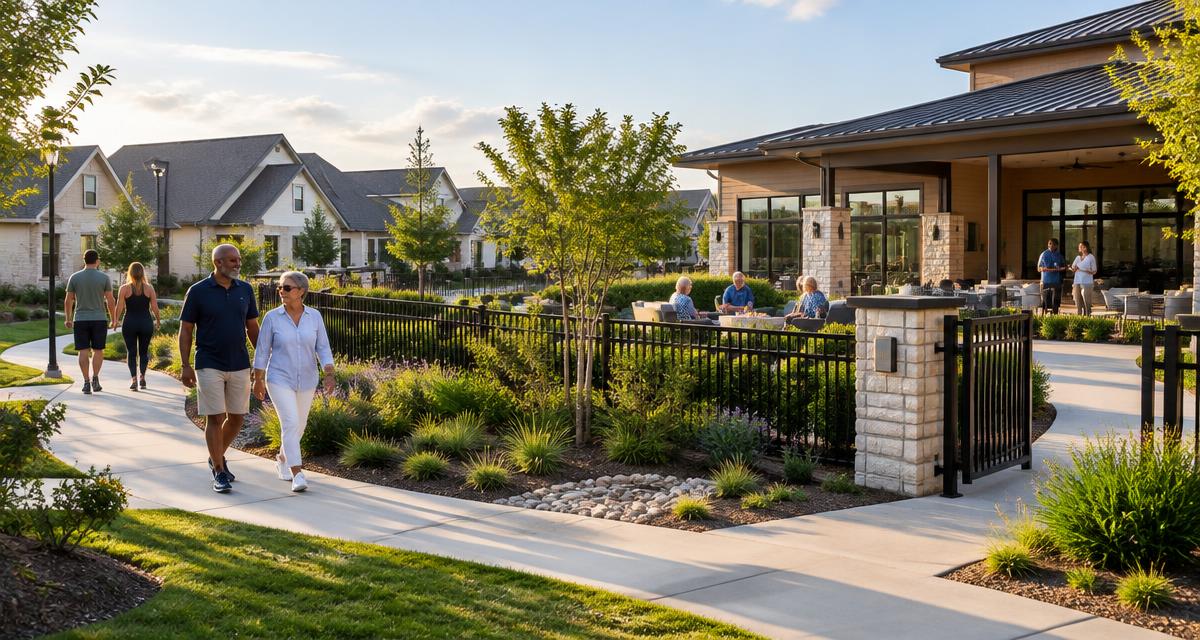
Technology Planning for Build-to-Rent, Senior Living & Assisted Living Communities
A practical guide to cabling, Wi-Fi, access control, gates, surveillance, amenity AV, and emergency communications for BTR, rental, and senior-living communities.
Leading the Charge: How EIG PRO Is Powering Texas Multifamily, Hotels, and Hospitality
From Dallas high-rises to resort-style hospitality projects across DFW, EIG PRO is setting the standard for low-voltage, security, and connected-building technology in Texas. Here is how we are leading the charge in 2026.
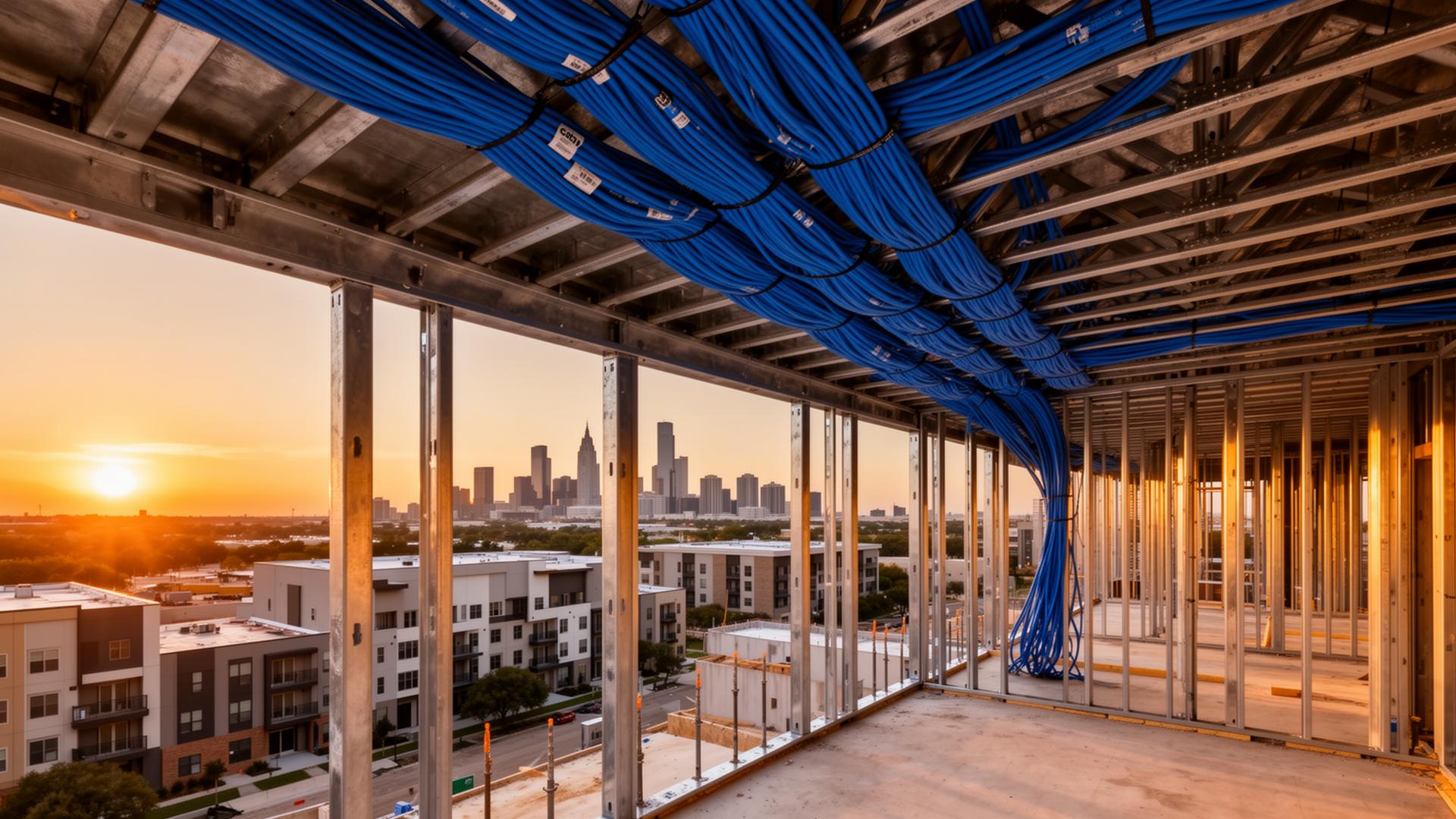
Structured Cabling in Dallas: The Multifamily Developer’s Low-Voltage Playbook (2026)
A DFW-specific structured cabling playbook for multifamily developers — per-unit scope, MDF/IDF design, Texas licensing, 2026 smart-apartment stack, and bid red flags.
Get a free security consultation
Access control, CCTV and networking guidance from a licensed Texas low-voltage contractor. No pressure, no obligation.