

Structured Cabling for New Construction in Texas: The Complete Contractor's Guide
Retrofitting structured cabling into an occupied building costs three to five times more than installing it during new construction. For Texas developers breaking ground on commercial offices, multifamily communities, and mixed-use projects, the cabling decisions made before drywall goes up will define the building's technology capabilities for the next 20 years.
This guide covers everything you need to know about planning, specifying, and installing structured cabling in new construction projects across Dallas–Fort Worth, Austin, Houston, and San Antonio.
Why New Construction Is the Best Time to Install Structured Cabling
During the rough-in phase of new construction, walls are open, ceilings are accessible, and conduit pathways can be routed without cutting into finished surfaces. This window of opportunity makes structured cabling installation dramatically more efficient and cost-effective compared to retrofit scenarios.
Key advantages of new-construction cabling:
- 60–70% lower labor costs compared to post-occupancy retrofit installations
- Optimal pathway routing — conduit, cable tray, and J-hooks are placed before walls close
- Coordination with other trades — electrical, mechanical, and plumbing teams are already on-site
- Future-proof capacity — it's easy to pull extra conduit and spare cables now vs. later
- Cleaner installation — no dust, disruption, or tenant displacement
For Texas developers managing tight construction timelines, integrating your structured cabling contractor early in the project schedule prevents costly delays during the finish phase.
Cabling Standards for 2026 Commercial Buildings
The cabling you install today needs to support network speeds, IoT devices, and AV systems for the next two decades. Choosing the right cable category and fiber infrastructure is critical.
Cat6A vs. Cat6: Which Should You Specify?
For new construction in 2026, Cat6A is the clear standard. Here's why:
| Specification | Cat6 | Cat6A |
|---|---|---|
| Maximum Speed | 10 Gbps (up to 55m) | 10 Gbps (full 100m) |
| Bandwidth | 250 MHz | 500 MHz |
| PoE Support | PoE+ (30W) | PoE++ (60–90W) |
| Alien Crosstalk | Not rated | Tested & rated |
| Best For | Budget residential | Commercial new construction |
Cat6A costs roughly 15–20% more than Cat6 in materials, but the labor cost is identical during new construction. Since labor accounts for 60–70% of total cabling cost, the per-drop premium for Cat6A is minimal when walls are open. Skipping Cat6A to save a few dollars per drop is the most common regret we hear from building owners within 3–5 years.
Fiber Backbone: Single-Mode vs. Multi-Mode
Every commercial building needs a fiber backbone connecting the Main Distribution Frame (MDF) to each Intermediate Distribution Frame (IDF). For new construction, we recommend:
- Single-mode fiber (OS2) for inter-building connections and runs over 300 meters
- Multi-mode fiber (OM4) for intra-building MDF-to-IDF connections up to 300 meters
- Minimum 12-strand fiber count per pathway, with 24-strand recommended for future capacity
All installations should comply with TIA-568.2-D standards and local Texas building codes. EIG PRO designs every fiber backbone to exceed minimum strand counts by at least 50% — because pulling additional fiber during construction costs almost nothing compared to adding it later.
Designing Your Low Voltage Pathway System
The pathway system — conduit, cable tray, J-hooks, and sleeves — is the physical infrastructure that carries your cabling. Getting this right during new construction eliminates the most expensive part of any future technology upgrade.
MDF and IDF Closet Sizing
Undersized telecom closets are one of the most common and costly mistakes in new construction. Follow these guidelines:
- MDF room: Minimum 10' × 12' for buildings under 50,000 sq ft; larger buildings need proportionally bigger rooms
- IDF closets: Minimum 6' × 8' per floor, with one IDF per 10,000 sq ft of floor area
- Dedicated HVAC: Every telecom room needs independent cooling — not shared with adjacent spaces
- Electrical: Dedicated 20A circuits minimum; 30A recommended for PoE-heavy deployments
- Plywood backboard: ¾" fire-rated plywood on all four walls for equipment mounting
Conduit and Cable Tray Best Practices
- Conduit fill ratio: Never exceed 40% fill capacity (per NEC Article 300) to allow future cable additions
- Minimum conduit size: 1" trade size for data runs; 2" minimum for backbone pathways
- Cable tray: 12" wide minimum in corridors; 18–24" for backbone routes
- J-hooks: Spaced every 4–5 feet, rated for the cable bundle weight, with proper bend radius support
- Fire-rated penetrations: Every floor and wall penetration must be fire-stopped per local code — this is non-negotiable in Texas commercial construction
What to Expect from Your Cabling Contractor
A professional structured cabling contractor should integrate seamlessly into the general contractor's construction schedule. Here's what a proper engagement looks like:
Phase 1: Pre-Construction Design
- Review architectural and electrical drawings (we use Bluebeam Revu for markup and coordination)
- Produce a cable schedule with drop counts, cable types, and pathway requirements
- Coordinate telecom room locations with the architect and MEP engineer
- Submit shop drawings for approval before rough-in begins
Phase 2: Rough-In Installation
- Install conduit, cable tray, J-hooks, and backboxes
- Pull horizontal cables from IDF closets to outlet locations
- Install fiber backbone between MDF and IDF rooms
- Coordinate with electrician on shared pathways and separation requirements (maintain minimum 12" separation from high-voltage per TIA standards)
Phase 3: Trim-Out and Testing
- Terminate all copper and fiber connections
- Label every cable at both ends per TIA-606 labeling standards
- Test and certify every link using a Fluke DSX CableAnalyzer
- Deliver as-built documentation with test results, cable maps, and warranty information
Every cable EIG PRO installs is tested to channel performance standards and backed by a manufacturer warranty through our partnerships with Windy City Wire and Legrand.
Common Mistakes That Cost Texas Developers Money
After completing hundreds of new construction projects across Texas, we see the same preventable mistakes repeatedly:
- Undersized conduit — Filling conduit to 60–70% during initial build leaves zero room for future technology additions. Always design to 40% fill.
- Skipping fiber backbone — Some developers try to save money by running copper-only between closets. This caps the building at 10 Gbps and makes 40G/100G upgrades impossible without new pathway construction.
- No spare capacity — We recommend pulling 15–20% more cables than the initial design requires. The marginal cost during construction is minimal; adding cables post-occupancy is not.
- Ignoring AV and security rough-in — Conference rooms, lobbies, and common areas need dedicated cabling for AV systems, security cameras, and access control. These should be roughed in at the same time as data cabling.
- Inadequate telecom room cooling — A fully loaded IDF closet with PoE switches can generate 3,000–5,000 BTU. Without dedicated cooling, equipment overheats and fails prematurely.
- Late contractor engagement — Bringing the cabling contractor on board after framing is complete limits pathway options and increases costs. Engage during the design phase for best results.
EIG PRO's Approach to New Construction Cabling in Texas
EIG PRO is a full-service structured cabling contractor serving new construction projects across Dallas–Fort Worth, Austin, Houston, San Antonio, and surrounding Texas markets. Our design-build approach means we handle everything from initial pathway design through final testing and certification.
What sets us apart:
- Design-build methodology — We design the cabling system, not just install it. Our team coordinates directly with architects and GCs using Bluebeam and AutoCAD.
- Certified testing — Every cable is tested with Fluke DSX analyzers and results are delivered with as-built documentation.
- Technology partnerships — We're authorized dealers for Legrand, Windy City Wire, and other top-tier cabling manufacturers.
- Multi-system coordination — As a full low voltage contractor, we also install networking, AV, security, and access control — ensuring all systems are designed to work together from day one.
- Texas-wide coverage — Our teams work across all major Texas metros, with the capacity to handle projects from 10,000 to 500,000+ square feet.
Ready to Plan Your New Construction Cabling?
Whether you're a general contractor looking for a reliable cabling subcontractor, a developer planning a ground-up project, or an architect specifying low voltage infrastructure, EIG PRO can help.
Request a consultation to discuss your project, or learn more about our structured cabling services.
Stay Updated
Get the latest insights on smart building technology, security systems, and industry trends delivered to your inbox.
Related services
Explore the services behind this work.
Commercial AV
Conference rooms, digital signage and amenity audio across Texas.
Learn moreStructured Cabling
Category and fiber infrastructure built to standard and documented.
Learn moreSecurity & Surveillance
Access control, CCTV and intercom for commercial and multifamily.
Learn moreNetwork Infrastructure
Switching, Wi-Fi and MDF/IDF design that holds up under load.
Learn moreContinue Reading
Explore more insights and expertise from EIG PRO
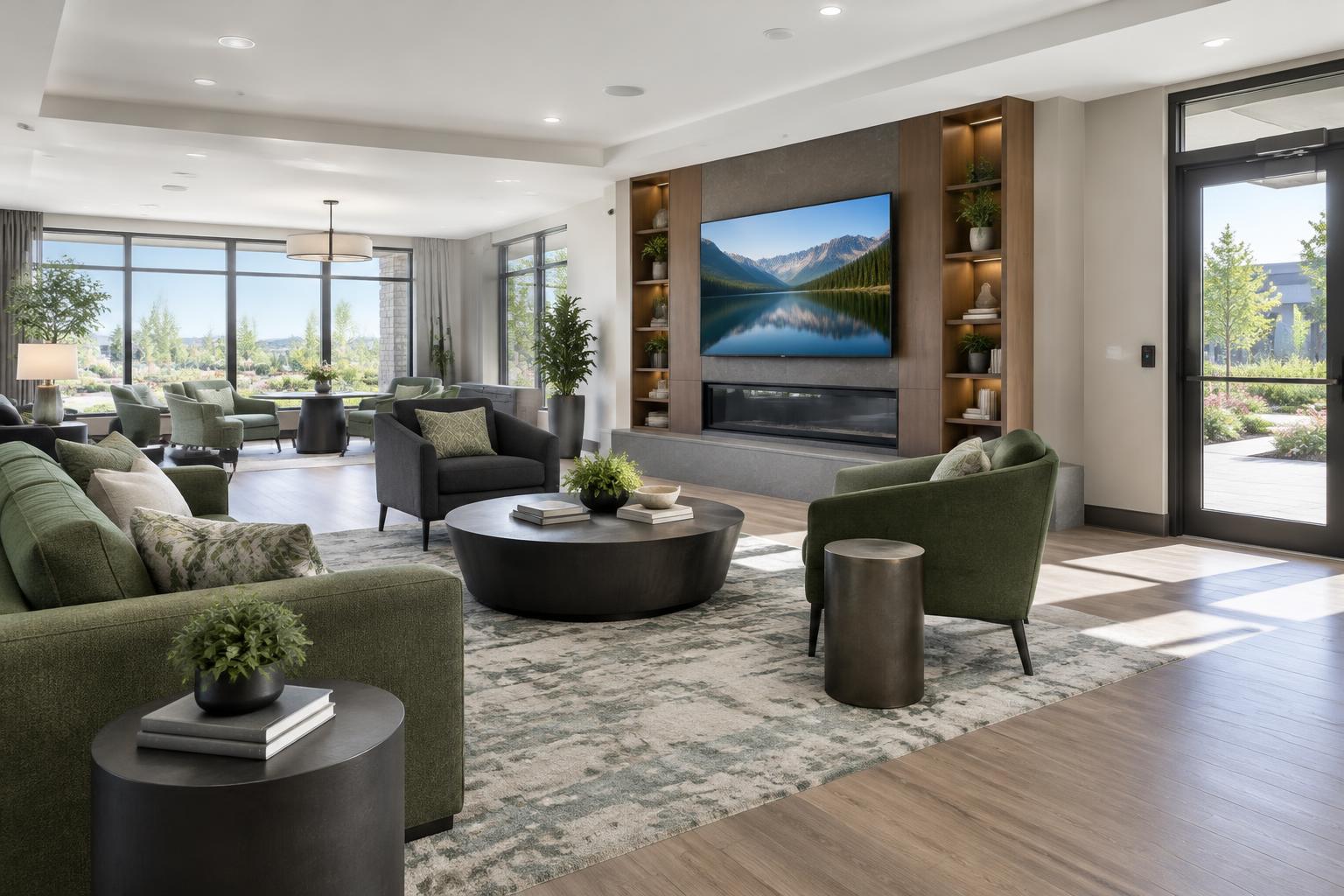
How EIG PRO Handles Technology for Senior Living, IL, AL & Hospitality
How EIG PRO plans cabling, Wi-Fi, access control, CCTV and AV for independent living, assisted living and hospitality—from trade coordination to operator handoff.
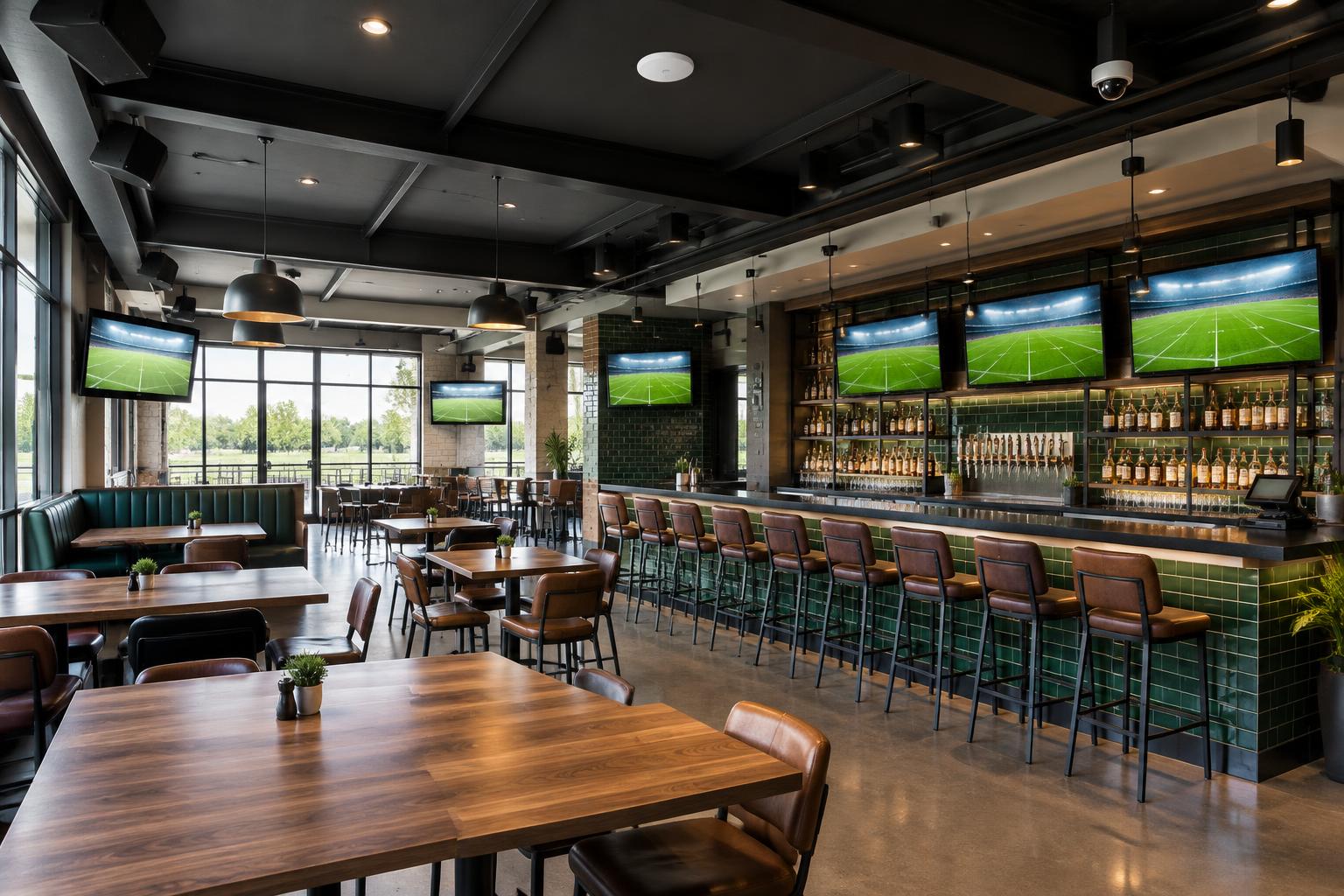
Restaurant & Bar Technology Services: AV, Wi-Fi, Networks & Security
Explore EIG PRO restaurant and bar services: commercial AV, multi-screen distribution, sound, networks, guest Wi-Fi, data cabling, CCTV, and access control.
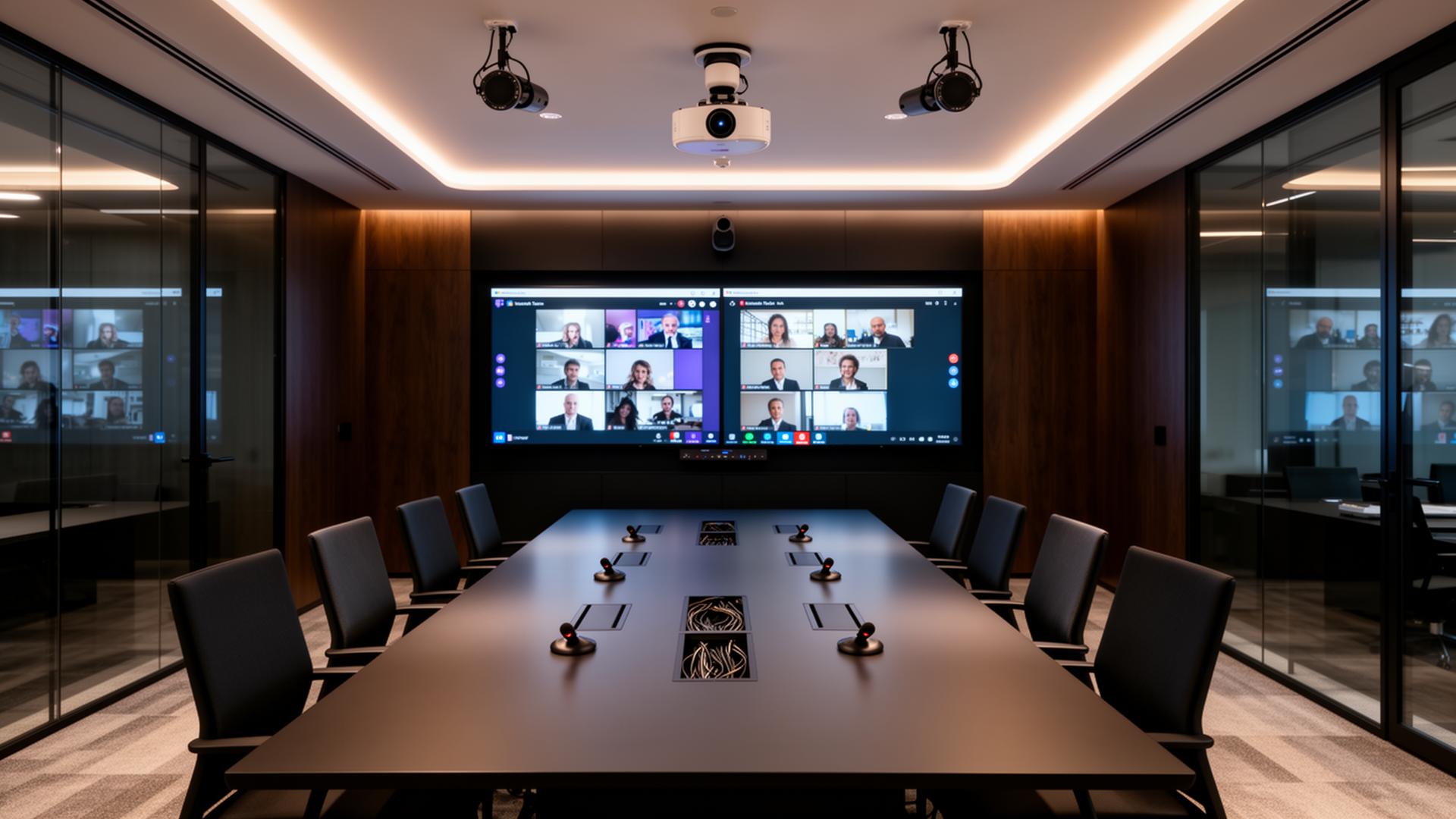
Conference Room & Corporate AV Build-Outs: Crestron, Biamp, QSC, RTI, Dante & AV-over-IP in Texas
From huddle rooms to auditoriums — Microsoft Teams Rooms, Zoom, Webex, BYOD, Crestron, Biamp, QSC, RTI, Dante and AV-over-IP. Here is how EIG PRO designs, builds and commissions corporate AV across Texas.
Get a free security consultation
Access control, CCTV and networking guidance from a licensed Texas low-voltage contractor. No pressure, no obligation.