
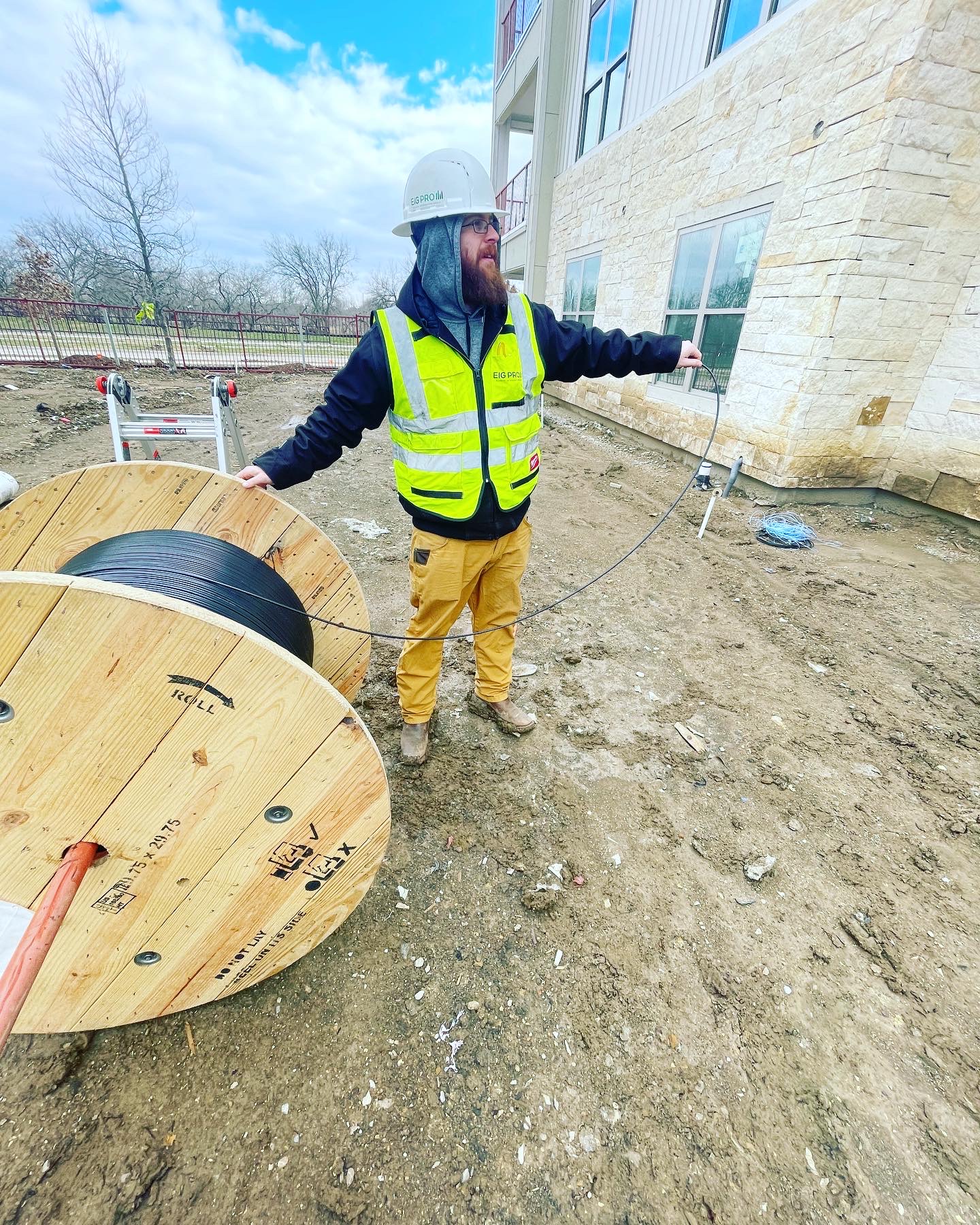
Fiber Optic Infrastructure: The Backbone of Modern Multifamily Properties
In the competitive multifamily market, connectivity has evolved from an amenity to a necessity. Fiber optic infrastructure represents the gold standard for property internet service, delivering the speed, reliability, and capacity that today's residents demand. For developers and property owners, fiber is an investment in both immediate competitiveness and long-term property value.
Why Fiber Matters for Multifamily
Speed and Symmetry
Fiber optic connections deliver gigabit speeds with equal upload and download capabilities. This symmetry is crucial for:- Video conferencing for remote workers
- Cloud backup services
- Content creation and streaming
- Online gaming
- Large file transfers
- Multiple simultaneous users
Reliability
Unlike copper-based systems, fiber is immune to electromagnetic interference and less susceptible to environmental factors. This translates to:- Consistent performance regardless of weather
- Minimal service degradation over distance
- Fewer service calls and resident complaints
- Lower maintenance costs over time
Capacity and Future-Proofing
Fiber infrastructure provides virtually unlimited bandwidth capacity. As resident needs grow and new services emerge, fiber can accommodate increased demand without infrastructure replacement.Property Value
Properties with fiber infrastructure command:- Premium rental rates
- Lower vacancy rates
- Higher occupancy retention
- Enhanced property valuations
- Competitive advantage in saturated markets
Fiber Architecture for Multifamily
Several deployment models serve multifamily properties:
Fiber-to-the-Unit (FTTU)
Individual fiber runs to each apartment provide:- Dedicated bandwidth per unit
- No shared infrastructure congestion
- Highest performance levels
- Service provider flexibility
- Premium resident experience
Fiber-to-the-Building (FTTB)
Fiber backbone to buildings with distribution to units via copper provides:- Lower installation costs than FTTU
- Good performance for most applications
- Easier initial deployment
- Adequate for most properties
Hybrid Approaches
Some properties combine fiber and copper strategically:- Fiber to IDFs (Intermediate Distribution Frames)
- Copper distribution to units
- Balanced cost and performance
- Flexibility for future upgrades
Service Delivery Models
Property owners have choices in how internet service is delivered:
Bulk Services
Property contracts with ISP for building-wide service:- Pros: Amenity for residents, negotiated rates, single vendor relationship
- Cons: Contract commitment, resident choice limitations
- Best For: Class A properties, competitive markets
Resident Choice
Individual residents select and pay for service:- Pros: No property cost, resident flexibility, competitive pricing
- Cons: Requires provider access agreements, varied experience quality
- Best For: Value properties, markets with strong competition
Hybrid Models
Bulk service at base level with upgrade options:- Pros: Baseline connectivity for all, revenue opportunity
- Cons: More complex administration
- Best For: Properties seeking differentiation
Infrastructure Components
A complete fiber system includes:
Outside Plant: Conduit and pathway from provider connection to property Fiber Backbone: Main fiber runs throughout property Telecommunications Rooms: Secure spaces for active equipment at key locations Horizontal Distribution: Cabling from telecom rooms to units In-Unit Termination: Connection points in apartments Active Equipment: ONTs, switches, and routers that power services
Design Considerations
Successful fiber infrastructure requires careful planning:
Pathway Planning
- Adequate conduit sizing for current and future needs
- Strategic placement of IDFs and MPOEs
- Accessible pathways for maintenance
- Protection from physical and environmental hazards
Telecommunications Rooms
- Properly sized for equipment and future growth
- Climate control to protect electronics
- Adequate power with backup
- Security against unauthorized access
- Cable management infrastructure
Unit Connectivity
- Accessible termination locations
- Support for both wired and wireless needs
- Multiple service outlets in larger units
- Flexibility for furniture arrangement
Installation Best Practices
Quality fiber installations follow strict standards:
Cable Handling: Proper bend radius and tension limits Terminations: Professional fusion splicing or mechanical connections Testing: OTDR testing and documentation Labeling: Comprehensive identification of all components Documentation: As-built drawings and test results
Providers and Partnerships
Selecting the right service provider involves:
- Coverage in your market
- Service level agreements
- Technical support capabilities
- Upgrade path and commitment
- Bulk contract terms
- Resident experience and reliability
Cost Considerations
Fiber infrastructure investment includes:
Initial Installation: $800-2,500 per unit depending on architecture Active Equipment: $300-800 per unit for ONTs and networking gear Common Area Infrastructure: $50,000-200,000+ for backbone and telecom rooms Ongoing: Minimal for passive infrastructure, provider-dependent for active equipment
While upfront costs exceed traditional copper, long-term value is compelling through:
- Premium rents offsetting investment
- Lower maintenance costs
- Reduced resident turnover
- Enhanced property valuation
- Future-proof infrastructure
Return on Investment
Studies show fiber-enabled properties achieve:
- 8-15% rental premium over comparable properties
- 5-10% higher occupancy rates
- 20-30% lower turnover rates
- Faster lease-up for new properties
- Higher sale valuations
Construction Coordination
Fiber installation requires coordination with:
- General contractor and construction schedule
- Electrical contractor for power and pathways
- Service provider for connection timing
- Local authorities for permits and inspections
- Other low voltage systems for integration
EIG PRO's Fiber Expertise
EIG PRO has installed fiber infrastructure in hundreds of multifamily properties across Texas and Oklahoma. Our comprehensive services include:
Design: Creating optimal fiber architecture for your property Provider Coordination: Facilitating ISP relationships and requirements Installation: Professional fiber installation and termination Testing: Comprehensive system testing and documentation Integration: Coordinating with other building systems Warranty: Backing our work with comprehensive warranties
Our certified fiber technicians follow industry best practices and maintain manufacturer certifications. We work with all major service providers and understand the unique requirements of each.
Future Trends
Fiber infrastructure positions properties for emerging technologies:
- 5G small cells and DAS systems
- Smart building IoT sensors and controls
- Enhanced security and surveillance
- Resident smart home services
- Augmented and virtual reality applications
Making the Decision
Key questions for property owners: 1. What speeds do residents in your market expect? 2. How does your competition position connectivity? 3. What is your property's market positioning? 4. Are you building new or retrofitting? 5. What is your infrastructure budget? 6. What service delivery model fits your strategy?
Conclusion
Fiber optic infrastructure is no longer optional for competitive multifamily properties. It's the foundation enabling the connectivity and smart features residents expect. While requiring significant upfront investment, fiber delivers compelling returns through premium rents, lower turnover, and enhanced property value.
As bandwidth demands continue growing and new technologies emerge, fiber positions properties for long-term success. The question isn't whether to invest in fiber, but how to implement it most effectively for your property and market.
Ready to explore fiber infrastructure for your property? Contact EIG PRO for a consultation. We'll assess your specific situation, recommend optimal solutions, and provide detailed planning and cost estimates for implementation.
---
About EIG PRO EIG PRO is a leading low voltage contractor specializing in multifamily technology integration across Texas and Oklahoma. Our services include fiber optic installation, structured cabling, security systems, and comprehensive smart building solutions. With extensive experience and technical expertise, we deliver infrastructure that enhances property value and resident satisfaction.
Stay Updated
Get the latest insights on smart building technology, security systems, and industry trends delivered to your inbox.
Related services
Explore the services behind this work.
Commercial AV
Conference rooms, digital signage and amenity audio across Texas.
Learn moreStructured Cabling
Category and fiber infrastructure built to standard and documented.
Learn moreSecurity & Surveillance
Access control, CCTV and intercom for commercial and multifamily.
Learn moreNetwork Infrastructure
Switching, Wi-Fi and MDF/IDF design that holds up under load.
Learn moreContinue Reading
Explore more insights and expertise from EIG PRO

Technology Planning for Build-to-Rent, Senior Living & Assisted Living Communities
A practical guide to cabling, Wi-Fi, access control, gates, surveillance, amenity AV, and emergency communications for BTR, rental, and senior-living communities.

Leading the Charge: How EIG PRO Is Powering Texas Multifamily, Hotels, and Hospitality
From Dallas high-rises to resort-style hospitality projects across DFW, EIG PRO is setting the standard for low-voltage, security, and connected-building technology in Texas. Here is how we are leading the charge in 2026.
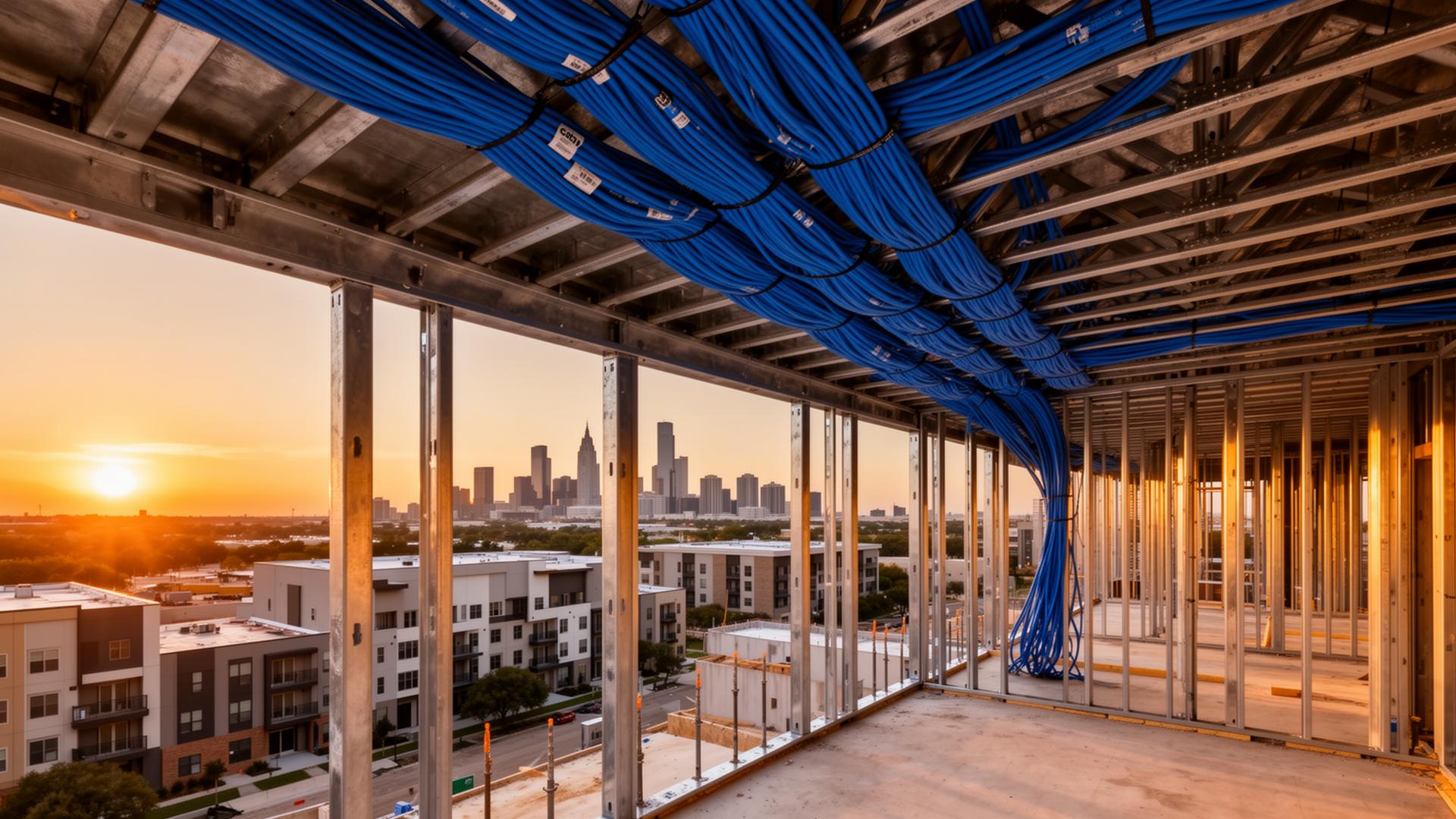
Structured Cabling in Dallas: The Multifamily Developer’s Low-Voltage Playbook (2026)
A DFW-specific structured cabling playbook for multifamily developers — per-unit scope, MDF/IDF design, Texas licensing, 2026 smart-apartment stack, and bid red flags.
Get a free security consultation
Access control, CCTV and networking guidance from a licensed Texas low-voltage contractor. No pressure, no obligation.